Truth or Myth: Can Dental Crowns Cause Cancer? Find Out Now

By July 15, 2025July 5th, 2026Dental Bridges, Dental Veneers

Truth or Myth: Can Dental Crowns Cause Cancer? Find Out Now

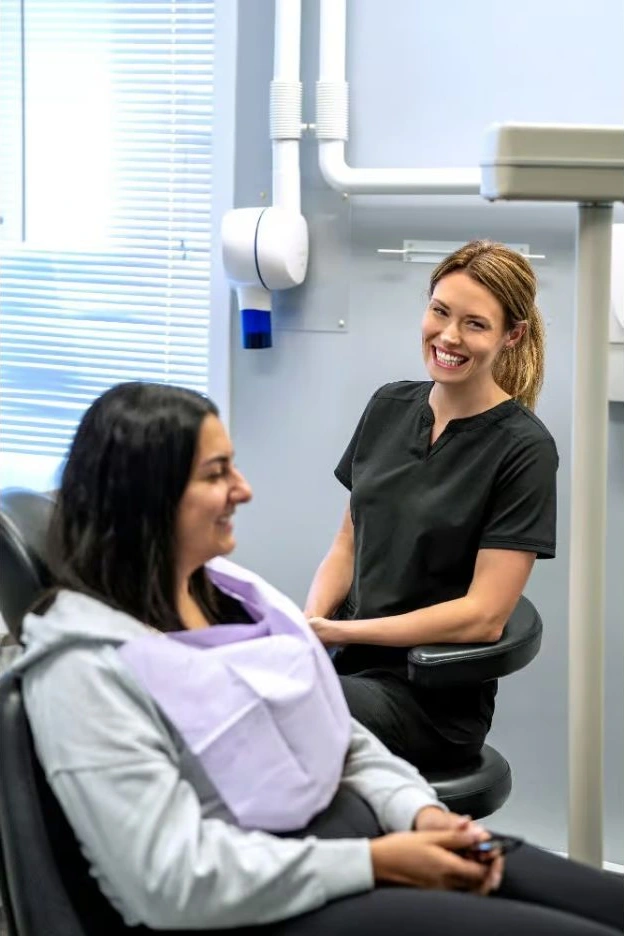
Happy patient feeling confident after a successful dental crown appointment

The question “Can dental crowns cause cancer?” has raised concern among many dental patients, especially those navigating post-root canal care. As discussions around root canal side effects continue to surface, it’s important to separate fact from fear. With insights from a trusted London dentist, this article explores the truth behind the claims, clears up common misconceptions, and guides you toward safer, informed choices for your oral health.

What are dental crowns?

Dental crowns are custom-made caps placed over damaged or weakened teeth to restore their shape, strength, and function. Often used in root canal procedures, crowns protect teeth after dental procedures. Modern dental practices use safe materials like porcelain, ceramic, or metal alloys, carefully tailored to meet individual needs.

But with online forums buzzing about health risks, many wonder, can dental crowns cause cancer? The concern often stems from crown materials, such as certain metals. Let’s dive into the facts to separate truth from fiction.

Common myths: Can dental crowns cause cancer

Excited patient after receiving helpful dental care

Misinformation about dental crowns often fuels unnecessary worry, especially among patients recovering from root canal treatments. Below, we debunk some of the most common myths, including those related to root canal side effects and the question, Can dental crowns cause cancer:

  • Myth 1: Crowns Contain Toxic Materials
    Many people worry that dental crowns contain harmful substances, but this is largely outdated. Today’s crowns are crafted from biocompatible materials like porcelain, ceramic, or zirconia, all rigorously tested to meet health and safety standards. A qualified London dentist will only use safe, approved materials, so there’s no need for concern about heavy metal toxicity.
  • Myth 2: Crowns Cause Cancer
    The fear that dental crowns can cause cancer has been widely circulated, yet there is no scientific evidence to support this claim. Clinical studies have found no link between dental crown materials and cancer risk. If you have concerns, your dentist can guide you through the materials used and offer complete transparency.
  • Myth 3: Crowns Always Cause Pain
    Some sensitivity or discomfort after a crown placement, especially following a root canal treatment, is completely normal. However, ongoing or severe pain is not typical and often indicates a separate issue, such as bite misalignment or infection. A prompt visit to your dentist can resolve it quickly and comfortably.

Are dental crown materials safe?

Can dental crowns cause cancer

The materials used in dental crowns, such as ceramic, porcelain, or gold alloys, undergo strict testing to ensure they’re safe for long-term use. The root canal recovery time may involve sensitivity, but this is unrelated to cancer risk. Regulatory bodies like the FDA approve these materials for dental use, ensuring they pose no harm when properly placed.

Some patients worry about older amalgam crowns containing mercury, but modern dentistry favors safer alternatives. If you’re concerned about “Can dental crowns cause cancer?”, consult your dentist to discuss material options and ensure your crown is biocompatible.

Health risks associated with dental crowns

While dental crowns are safe, improper care can lead to issues like gum irritation or infection, which are unrelated to cancer. For example, poor oral hygiene after a root canal treatment can cause complications, but these are treatable with proper post-root canal care. No credible studies link crowns to cancer, dispelling fears about “can dental crowns cause cancer?”

If you experience persistent dental pain after a root canal or crown placement, contact your dentist immediately. These symptoms typically indicate fit issues or infection, not cancer.

Tips for maintaining dental crowns

Proper care ensures your dental crowns last for years without complications. Here are essential tips to follow, especially after eating after a dental procedure:

  • Practice Good Oral Hygiene: Maintain a healthy routine by brushing twice a day and flossing gently around the dental crown. This helps prevent plaque buildup and lowers the risk of complications often linked to root canal side effects, such as infection or inflammation.
  • Avoid Hard Foods: Be mindful of what to eat after a root canal. Hard foods like nuts, ice, or popcorn kernels can crack or dislodge your crown. Instead, stick to soft foods after root canal procedures, think yoghurt, mashed potatoes, scrambled eggs, or smoothies, to protect your dental work during the healing phase.
  • Schedule Regular Checkups: Ongoing care is key. By seeing your London dentist regularly, you can monitor the condition of your crown, catch potential issues early, and get professional advice tailored to your needs. Routine visits are essential to ensure long-term success after root canal treatment.

How a London dentist can help

A qualified London dentist uses advanced technology to ensure your crown is safe and effective. They can answer questions like “Can dental crowns cause cancer?” and provide personalized care plans. Regular checkups help maintain your crown and overall oral health, preventing issues like dental pain after a root canal.

By choosing a local expert, you gain access to tailored advice and high-quality materials, ensuring your dental procedure is both safe and successful.

The takeaway

The fear that “Can dental crowns cause cancer?” is a myth not backed by science. With proper post-root canal care and a diet including soft foods after root canal, you can maintain healthy crowns and a confident smile. Let an experienced dental professional guide you through the process with care and precision.

Concerned about dental crowns or ready for a checkup? Schedule an appointment with a trusted London dentist today to ensure your oral health is in top shape!

Recent Posts

Keep in Touch

[elementor-template id=”243″]